Quick Takeaways
- Event success no longer depends on what organizers "arranged", but what participants "chose"
- Audiences want to decide what to see, how long to stay, and how to participate
- Content needs to be deconstructable, selectable, and shareable
- Event competitiveness depends on building a complete experience chain: pre-event, on-site, post-event
- Recording is becoming part of the experience; participants use "being recorded" to confirm participation
- Not all events need to be complex, but almost all need to be more open
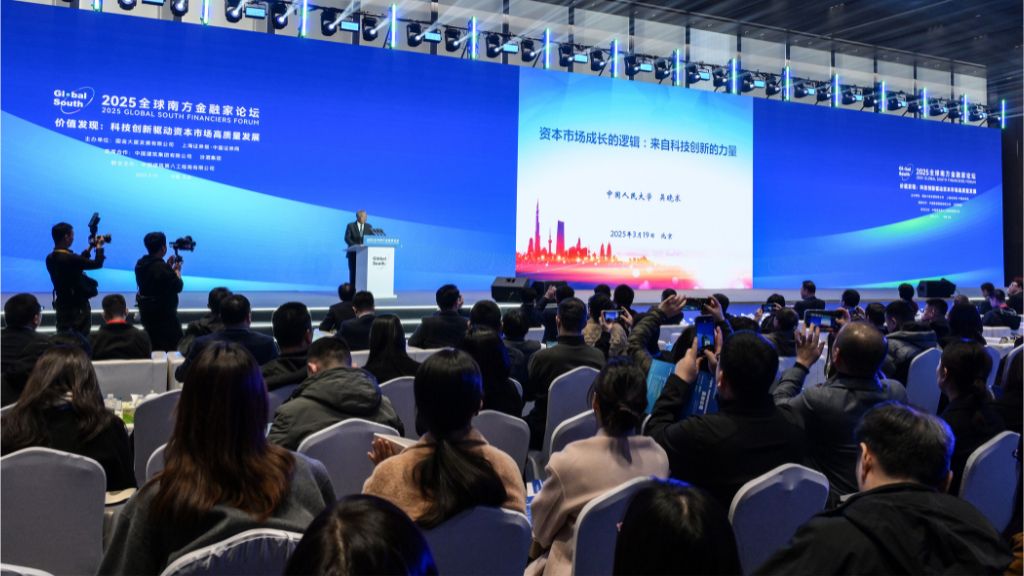
For a long time, the success of events and exhibitions often depended on what organizers and brands "arranged"—whether the agenda was complete, the stage was impressive, the process was smooth. But this logic is clearly changing.
According to TSNN's observations on 2026 event trends, a consensus is forming: truly successful events are returning more "control" to participants themselves. Audiences no longer settle for passive viewing, listening, or visiting, but want to actively decide their path, pace, and depth of participation in events.
This is not a formal upgrade of interaction, but a transformation of event values.
From "Designed Experience" to "Selectable Experience"
In traditional events, experiences are often highly linear: fixed routes, unified agendas, standardized content output.
But now, whether it's business conferences, industry forums, brand launches, or exhibition sites, participants prefer a "self-directed" experience—they want to decide:
- What to see and what not to see
- How long to stay and whether to go deeper
- How to participate in interactions
- Whether to leave content and whether to be recorded
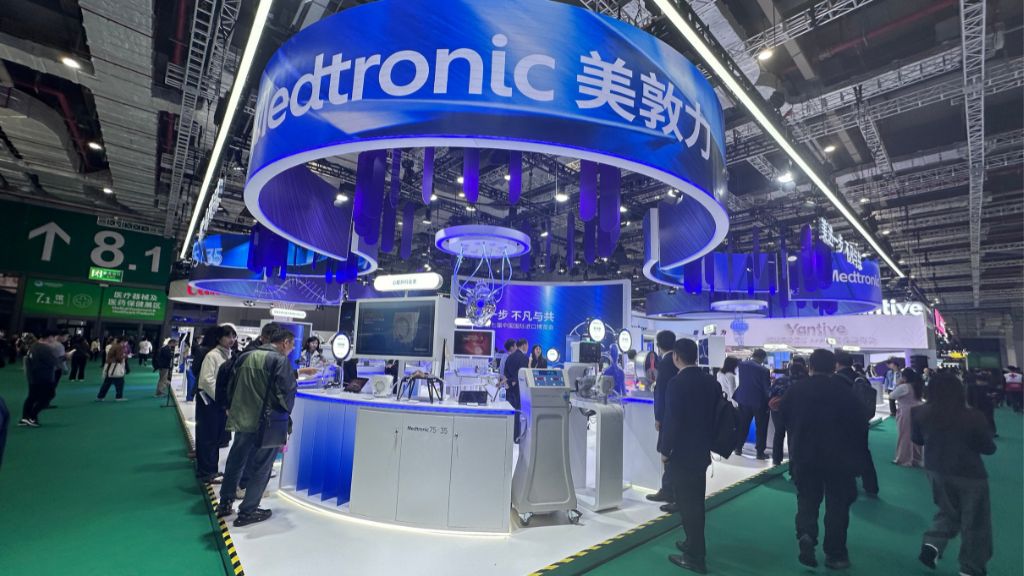
This isn't simply about "shorter attention spans", but participants' re-evaluation of time value. When information access becomes extremely easy, what people truly seek at offline events is: irreplaceable judgment, relationships, and experience density.
What This Means for Event Planners and Brands
When audiences start "taking the helm", the focus of event design changes accordingly.
- Content is no longer just "output", but needs the ability to be deconstructed, selected, and re-shared.
- Space is no longer just functional, but must leave room for different paths and rhythms.
- Interaction is no longer decoration, but part of the experience itself.
💡 Core Insight
This also means single-dimensional event planning is becoming ineffective. Only investing budget in stage design, main visuals, or single launches increasingly fails to deliver real returns.
Our Perspective: Real Upgrade Happens in the "Complete Experience Chain"
From our long-term experience serving brands and exhibitors, after 2026, the competitiveness of events and exhibitions increasingly depends on whether a complete experience chain is built:
- Pre-event: whether target audiences have been "engaged in advance"
- On-site: whether audiences are allowed to access content in different ways
- Post-event: whether the experience is continued, shared, and searchable
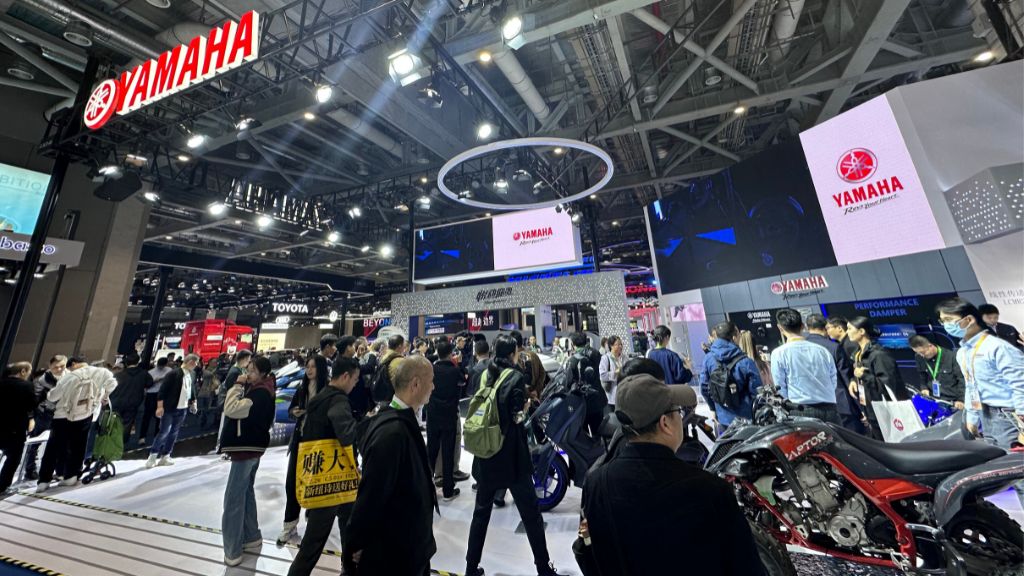
When audiences have more initiative, content value no longer only happens during those few hours on-site.
Therefore, creative upgrades for events are often not about adding more interactive installations, but thinking:
- What content is worth recording, editing, and sharing
- Which moments have "memorial significance" for participants themselves
- Which perspectives can help those who didn't attend understand the event's value
Why "Recording" Is Becoming Part of the Experience
An obvious but often underestimated change is: participants are increasingly using "being recorded" to confirm their sense of participation.
Photos, short videos, on-site clips are not just promotional materials, but also experiential feedback. They make participants realize: "I was here, this moment is important."
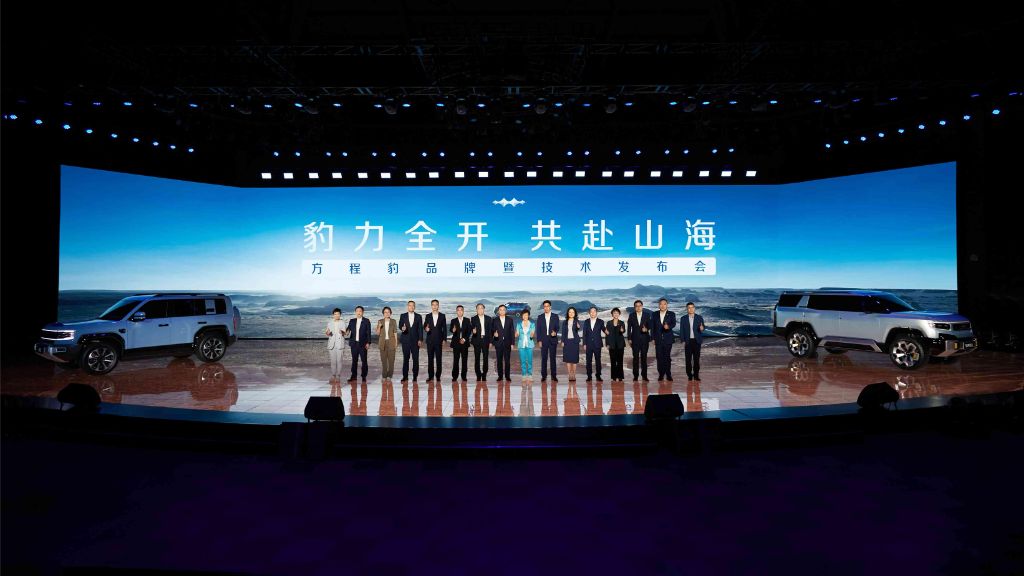
This is why more and more successful events no longer treat filming as post-event work, but incorporate it into event design itself. When content recording, instant presentation, and subsequent sharing form a closed loop, event value is no longer limited to on-site scale, but begins to have the potential for continuous amplification.
Inspiration for Different Types of Events
This trend is not only applicable to large exhibitions.
- Industry forums need to give participants more opportunities for "deep participation", not just one-way listening.
- Brand launches need to make content easier to deconstruct and re-share, not just one-time consumption.
- Corporate exhibitors need to think more about how to transform limited booth time into long-term brand assets that can be traced back.
Not all events need to become complex, but almost all need to become more open.
Not All Clients Will "Feel Effective Immediately"
It needs to be clear that this participant-centered model may not necessarily bring "immediate" lead growth in the short term.
It's more like long-term accumulation:
- Deepening brand awareness
- Re-confirmation of professionalism
- Gradual building of trust relationships
Therefore, some companies may feel "not as direct as imagined" on their first try. This doesn't mean the model is ineffective, but often means: exhibition goals and evaluation methods haven't been upgraded simultaneously.
Back to a Bigger Question: Why Do We Still Need Events
Against the backdrop of rising costs and increasing global market uncertainty, companies re-examining "whether to exhibit" is completely rational.
But precisely because of this, the irreplaceable value of events becomes clearer—they remain one of the few scenarios that can complete relationship building, value delivery, and trust confirmation in the same time and space.
However, the prerequisite is that we are willing to let go of "what I want to show" and instead seriously consider: what do participants truly want to control?
This may be the watershed for event success after 2026.
📚 Copyright
This article is based on TSNN (Trade Show News Network) industry observations on 2026 event trends, combined with Starrise Expo's practical experience in exhibition and event services for compilation and interpretation.
Please credit the source when reprinting: Starrise Expo · Insights
© Starrise Expo. All Rights Reserved.