Quick Takeaways
- Lacoste opens first Café Lacoste, brand extension from apparel to dining
- Not just "adding logo", every detail is evidence of brand story
- Multi-sensory storytelling: visual, tactile, taste, smell, sound
- From "selling" to "occupying mindshare and time" brand relationship logic
- Space is not decoration, but "offline brand manual"
- Global brands need integrated design "from product to experience"
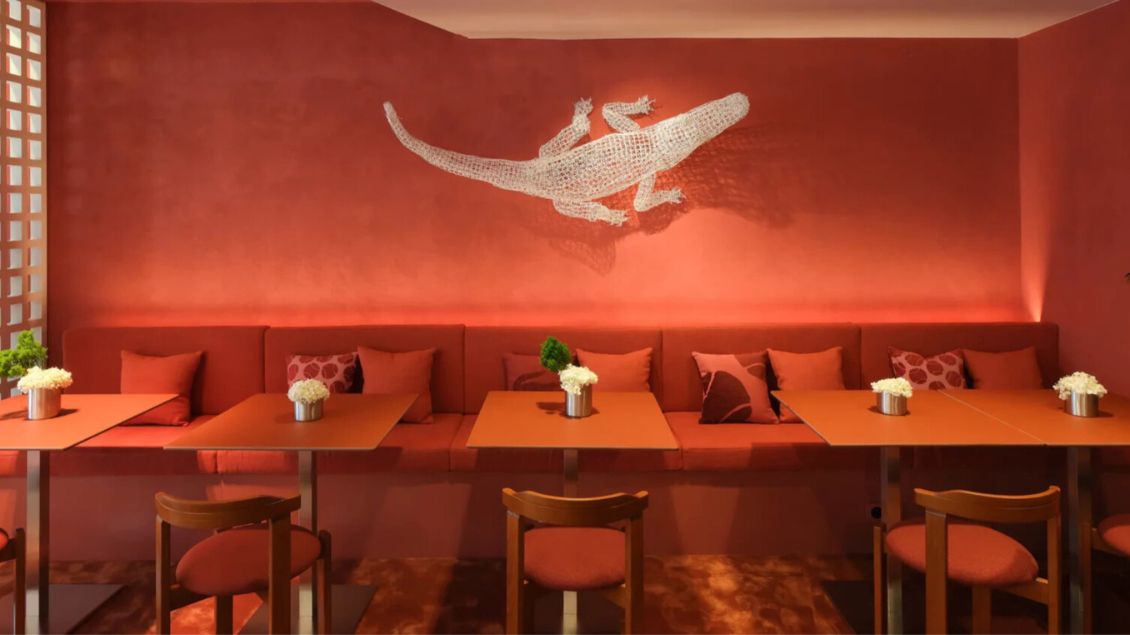
Recently, French brand Lacoste opened its first Café Lacoste in Monaco, transforming the "crocodile you wear" into an offline space you can walk into, sit down, have a meal, and experience a complete lifestyle.
The Branding Journal calls this project an "almost textbook" brand extension case—not just a cross-sector move from apparel to dining, but a complete brand experience extension from "product" to "space".
This has strong inspirational value for all companies working on brand upgrades, exhibition experiences, and offline space IP.
What Did Lacoste Do Right? First, Clearly Define "Who We Are"
Lacoste's starting point is a very clear brand story.
Founder René Lacoste was a tennis champion in the 1920s who, to perform better, created the first short-sleeved tennis polo in an era when long-sleeved shirts were the norm.
The brand has carried the dual DNA of "athletic performance + French elegance" from the very beginning.
The crocodile logo comes from his nickname and is one of the earliest visual symbols placed on clothing.
💡 Core Insight
Lacoste's core is not "selling POLO shirts", but: using athletic spirit and elegant aesthetics to define a sustainably replicable lifestyle.
Precisely because its foundational identity is clear, it can naturally extend from apparel to footwear, eyewear, fragrances, accessories, and all the way to a café.
⚠️ For many companies building brands, this step reveals a common problem: if we can't clearly articulate "who we are" and "what lifestyle we represent," all space design, exhibition construction, and peripheral development are just stacking forms.
Café Lacoste: Brand Moving from "Flat Language" to "Three-Dimensional Space"
This café is located in the Méridien Beach Plaza hotel in Monaco, created jointly by Lacoste and local food design and operations group Riccardo Giraudi Group. The positioning is clear: not an ordinary hotel coffee corner, but a complete Lacoste lifestyle extension space.
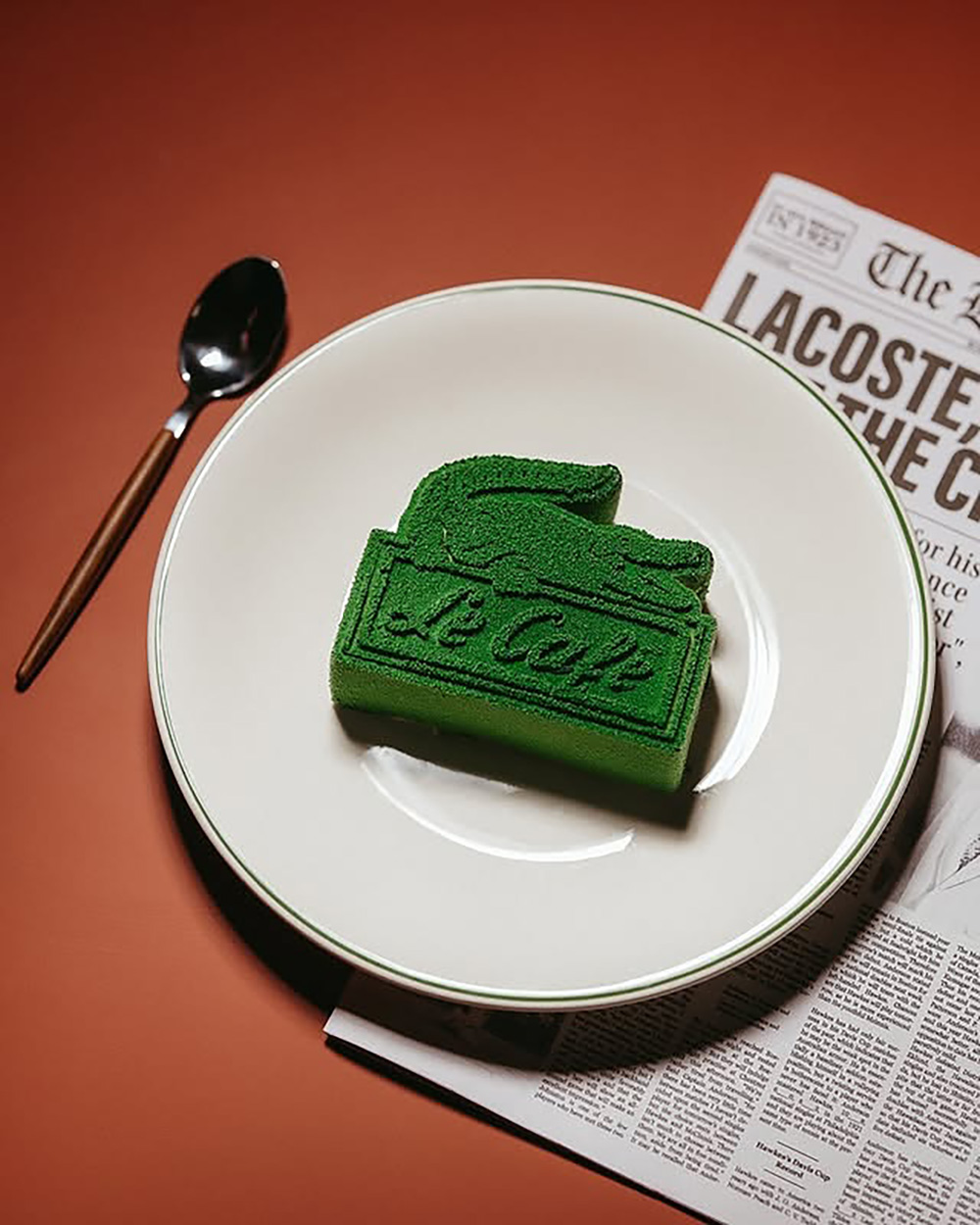
Not Simply "Adding a Logo", But "Lacoste Evidence" Everywhere
The original article mentions many details (which is what makes this case so worth learning from):
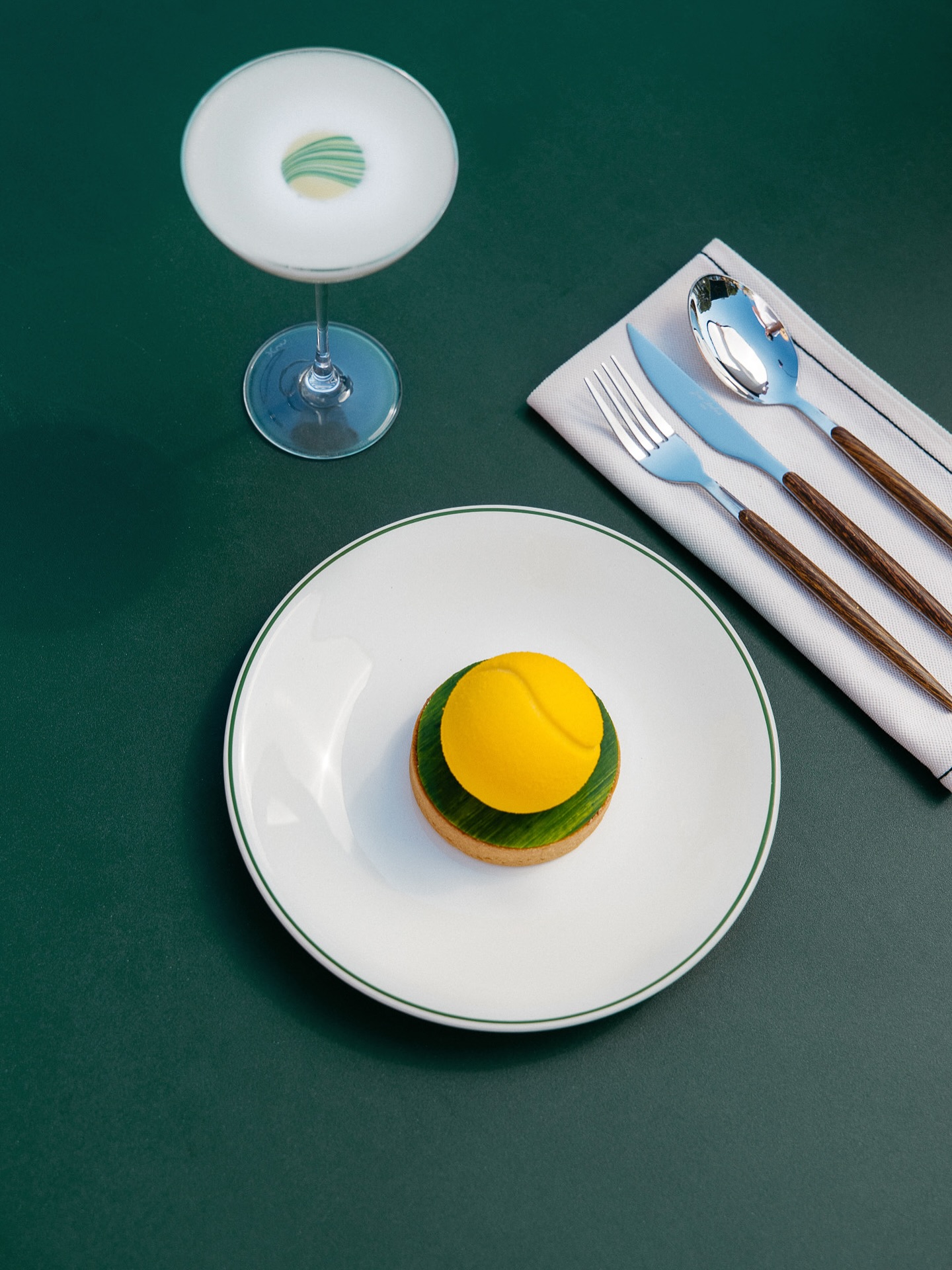
- The menu features a cocktail called "Chose", a recreation and tribute to a drink invented by founder René in 1967;
- Desserts include crocodile-shaped pistachio treats, "terre battue" themed tiramisu, and a tart named after René's favorite dessert;
- The architecture and interior design's colors, materials, and lines all echo tennis, the French Riviera, and the brand's consistent "athletic + elegant" tone.
In other words, when guests walk in, they don't see a "café with a crocodile logo",
but a series of brand stories that can be "told to others": the founder's taste, the colors of tennis courts, the crocodile image—all translated into dish names, dessert shapes, and spatial details.
💡 Practical Principle
For those of us doing exhibition design, brand spaces, and corporate showrooms, there's a very practical principle here: truly good spatial experiences aren't about expensive materials, but about "every detail being explainable as evidence of the brand".
From Single Product to "Multi-Sensory Narrative" Brand Theater
The brilliance of Café Lacoste isn't that "the coffee tastes good", but that it transforms the brand into a multi-sensory offline theater:
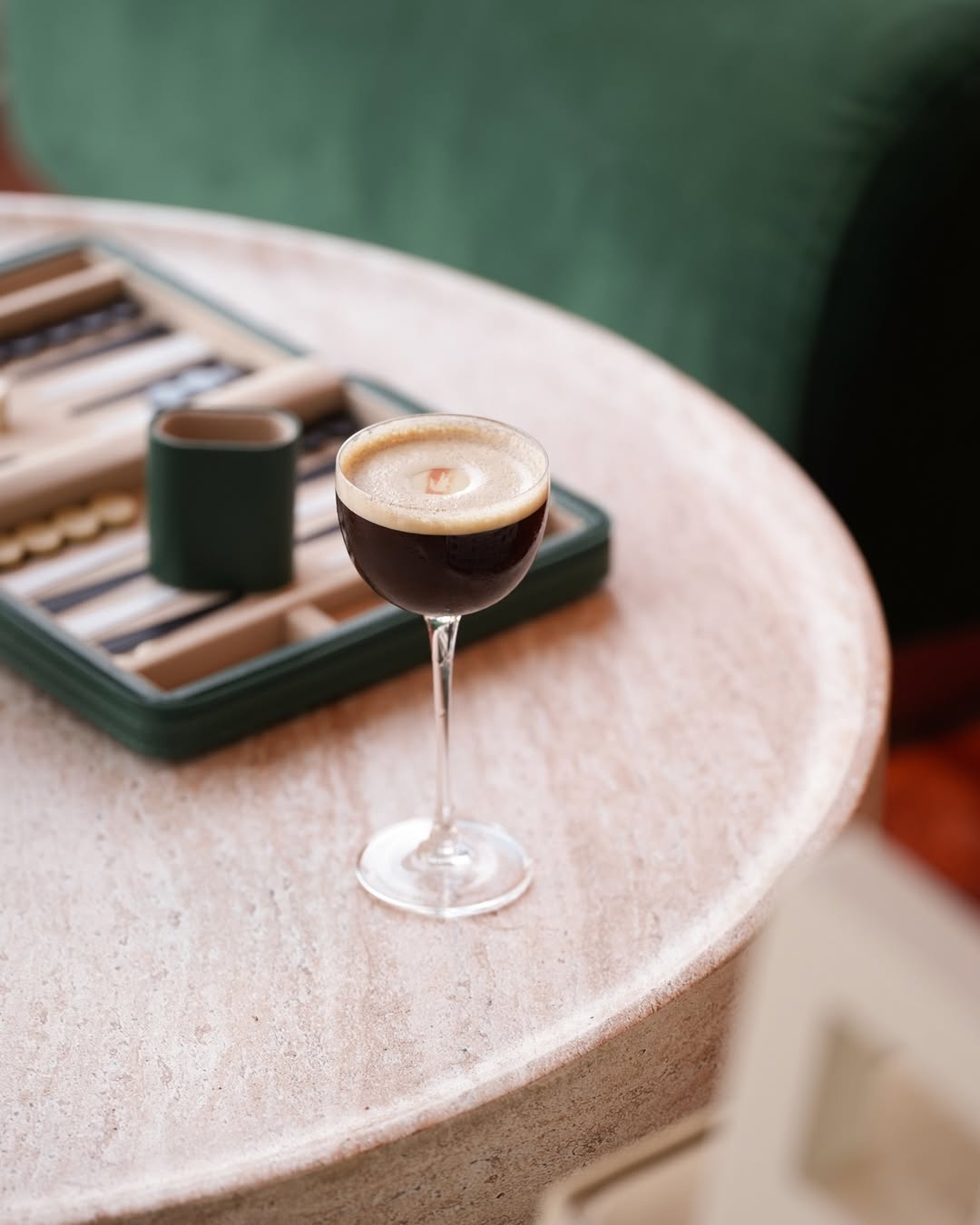
- Visual:Color systems, spatial proportions, furniture details all continue Lacoste's athletic elegance;
- Tactile:Material choices aren't just attractive, but have that texture where "walking in wearing Lacoste doesn't feel out of place";
- Taste / Smell:Dishes, desserts, cocktails all embed brand symbols and founder's personal preferences;
- Auditory:Even the sound of cutlery clinking is deliberately included as "part of the experience".
This is actually doing one thing:
Helping consumers connect in their minds "I like this drink/meal" with "I identify with this brand".
💼 For Our Clients
This "multi-sensory narrative" concept can be directly transplanted to:
- Exhibition Sites:From lighting color temperature, background music, floor materials, to interactive installations—all reinforcing the same brand personality;
- Brand Launches / Roadshows:Not just showing PPTs and products, but letting guests "enter the brand" simultaneously through eyes, ears, and taste;
- Overseas Exhibitions:Using spatial design + soft hospitality to upgrade "Chinese manufacturer" to "brand with complete lifestyle proposition".
Why Is This an "Expansion Path" Worth Learning From?
The Branding Journal concludes that this is a "very cautious, very brand-spirit-respecting extension approach", not an impulsive jump into the dining sector.
It solves several key problems:
From Product Logic to Relationship Logic
Buying a POLO shirt is just a transaction;
But regularly visiting a brand café or staying at its partner hotels is a long-term relationship.
From "Seeing the Brand" to "Living in the Brand"
Previously just wearing a shirt or carrying a bag, now sitting in a space and having a complete "brand feast".
For consumers, the brand becomes "part of my lifestyle".
From "Selling Goods" to "Occupying Mindshare and Time"
Offline spaces may not be the most profitable business, but they can greatly enhance brand depth and loyalty, bringing returns to the core business.
💡 For many Chinese brands considering "should I open a café, create a co-branded space, or build an immersive showroom," this is an excellent reference: don't first ask "what cool space can I create?" but first ask "what kind of space would be missing a piece if I didn't create it?"
Practical Insights for Chinese and Global Brands
From our perspective of providing exhibition and brand space services, Café Lacoste brings at least three levels of thinking:
First, the prerequisite for brand extension is a sufficiently clear brand core.
If a brand doesn't have a solid "athletic + elegant" DNA like Lacoste, forcing a jump into dining or lifestyle can easily become just an "Instagram hotspot", but consumers won't truly remember who you are.
Second, space isn't "decoration", but an "offline brand manual".
Every choice in the space—the curve of chairs, height of the bar, menu naming—should be traceable to brand values, not just visually appealing. For exhibitions, a 6-meter screen can't compare to a detail flow that truly tells the brand story.
Third, international brands need integrated "product to experience" design even more.
As Chinese companies actively expand overseas, participating in exhibitions and setting up branches, if they can create similar "small but beautiful" brand outposts in key cities (such as themed coffee corners, experience centers, tech displays + social spaces), they'll build more lasting trust and memory than simply attending an exhibition.
What If We Apply Café Lacoste Thinking to Exhibitions and Brand Spaces?
Combined with our long-term practice in exhibitions, product launches, and brand spaces, we can absolutely borrow the same logic:
For Tech Companies:
Translate "R&D approach + core algorithms" into spatial experience—so visitors don't just see a bunch of demos, but "understand why you exist" after walking around.
For Manufacturing / Industrial Companies:
Turn supply chain advantages, craftsmanship details, quality management into a "visible, touchable, experiential" flow, not just stacked samples.
For Consumer Brands:
Design a "mini Café Lacoste" corner in exhibitions or events—
Perhaps a cup of coffee with a brand story, a snack representing origin, or a wall telling brand heritage.
These seemingly "soft" elements, combined, often create more lasting memory than an expensive large exhibition wall.
Summary: From One Café, Seeing the "Ceiling" of Brand Extension
Café Lacoste isn't a template every brand can directly copy, but it reminds us:
The difficulty of brand extension never lies in "what new thing to do", but in "daring to clearly articulate yourself".
Good space is the three-dimensional version of brand spirit;
For any brand aspiring to go international and stand out in global exhibitions and offline scenarios,
True competitiveness is whether you can distill the part beyond products—stories, emotions, values—into an experiential lifestyle.
📚 Sources
This article references and quotes from The Branding Journal article "Café Lacoste: A Perfect Execution of Brand Extension, From Product To Space", combined with Starrise Expo's experience in brand and exhibition practice for extended interpretation.
For citations, please credit: "Starrise Expo · Knowledge Academy".
© 2025 Starrise Expo. All Rights Reserved.